Every roof in Mechanicsville earns its keep year after year. Salt-laden wind from the bay, sudden spring storms, blistering summer sun, and the slow wet creep of autumn leaves all chip away at protective layers. Knowing what to look for and when to act keeps a small problem from becoming a replacement job. This checklist is practical, grounded in field experience, and written for homeowners who want clear, reliable steps without jargon. If you ever need a professional assessment, One Vision Roofing is a local roofer in Mechanicsville MD that can inspect, repair, or replace with transparency.

Why seasonal checks matter A roof is not a single event. It is a sequence of repairs, maintenance, and occasional upgrades. Addressing small defects early saves money and preserves interior comfort. I learned this the hard way when a neighbor ignored a slow leak for two winters; what started as a missing shingle turned into rot that required sheathing replacement and months of drywall work, easily ten times the original repair. A seasonally timed inspection catches vulnerable points: flashing, gutters, vent seals, and attic insulation. Mechanicsville’s weather patterns make spring and fall especially important checkpoints.
Spring: thaw, storm damage, and overlooked winter wear Spring is the first major checkpoint after months of cold, ice, and tree limbs scraping on shingles. Start by walking the perimeter of your property and scanning the roofline from the ground. Look for shingles that are loose, curled at the edges, or missing granules. If you can safely get on a ladder and see the roof edge, inspect the flashing around chimneys and valleys where winter ice pushes water under materials.
Gutters take a disproportionate amount of punishment in spring. They may be clogged with leaves trapped since the previous autumn, or perforated by ice dams. Poor drainage leads to water pooling at the roof edge and rot behind fascia boards. Clear gutters, check downspouts for flow, and make sure splash blocks or extensions direct water at least 3 to 4 feet away from your foundation.
Spring also reveals hidden damage from falling branches. Larger impacts can shatter shingles or crack metal flashing. Small dents in metal vents or displaced ridge caps tell a story you should not ignore. If you find cracked shingles or multiple granule losses, call a roofer in Mechanicsville MD who can scope the damage and advise whether spot repairs or partial replacement is necessary.
Summer: heat stress, ventilation, and fast fixes Summer heat accelerates deterioration, especially on south- and west-facing slopes that see prolonged sun exposure. Asphalt shingles oxidize: the binder becomes brittle and loses elasticity when exposed to repeated high temperatures. You might notice a “brittle” feel to shingles when walking on them or see fine cracks around the nail heads. Proper attic ventilation and sufficient insulation reduce heat transfer into attic space, which in turn slows roof deck warping and extends shingle life.
Check attic vents for blockage by pest nests or insulation. Feel for hot spots along the ceiling; uneven temperatures across rooms can indicate poor airflow above. Heat-related problems often show up as cupping or ridging along shingle courses. These are repairable if caught early, but widespread cupping often means shingles are approaching end of life.
Summer is also the fastest time to make repairs because dry weather allows work on steep slopes without the complications of ice or persistent rain. If you plan to upgrade to higher-reflectivity shingles or install solar-ready underlayment, schedule it in summer to minimize delays.
Fall: leaf management, chimney seals, and pre-winter prep Autumn is all about keeping moisture out. Leaves, needles, and debris trap water and shorten shingle life by promoting algae One Vision Roofing Roofing Contractor in Mechanicsville MD and moss growth. Clean your gutters again and consider installing guards if your property is surrounded by mature oaks and maples. Pay special attention to the flashing around chimneys and skylights. Mortar joints in older chimneys can crack, and flashing that was adequate two years ago can lift enough to admit wind-driven rain.
Seal any small gaps where rodents or birds could enter; animal activity in soffits typically increases in fall. Check attic insulation levels and look for signs of prior moisture migration. If you find dark staining on rafters or sagging insulation, that indicates long-standing leakage. Scheduling professional liner and flashing repairs before winter prevents ice-related expansion from worsening the breach.
Winter: ice dams, emergency response, and safe observation Winter is the hardest season for roofs but also the riskiest for homeowner DIY work. Ice dams form when heat loss through the roof melts snow that refreezes at the eaves. The resulting barrier forces water back under shingles. Visible signs include icicles in long runs and wet spots on ceilings. Remove snow from accessible, low-slope areas with a roof rake, not by climbing on the roof. For established ice dams, call a professional. The wrong removal technique can strip shingles or break gutters.
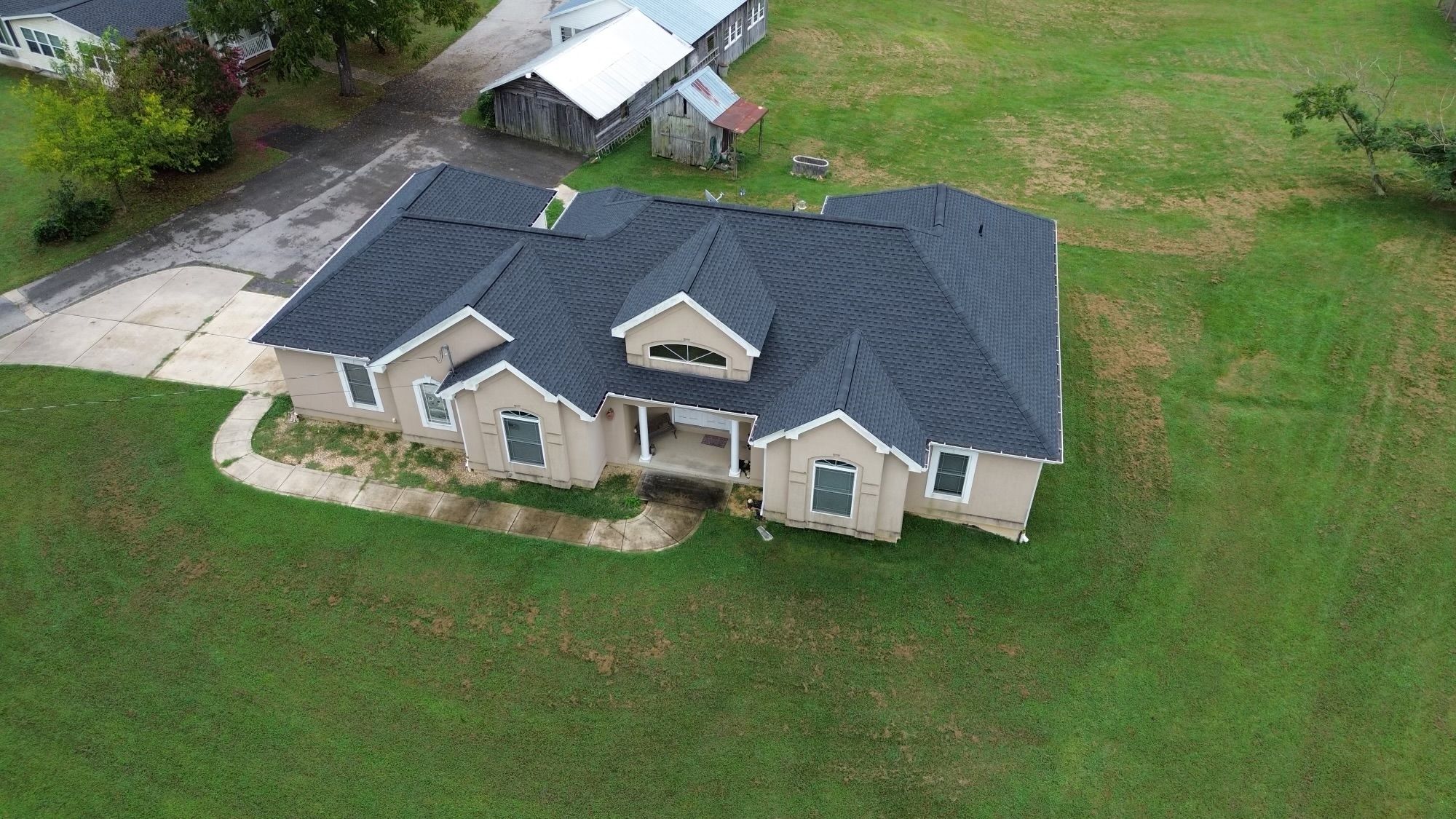
Emergency roofing after a storm requires calm triage. If your ceiling is leaking, move valuables, place buckets, and puncture a small drain hole in a bulging ceiling to manage the flow, but do not attempt structural interventions. Temporary tarps can protect exposed areas until a roofer in Mechanicsville MD can make a proper repair. One Vision Roofing offers emergency tarping and prompt follow-up to assess underlying damage.
A five-step seasonal checklist to follow each year
- spring: clear gutters, check for missing or curled shingles, inspect flashing around chimneys and valleys, and remove nearby broken limbs. summer: verify attic ventilation and insulation, inspect for brittle or cupped shingles on sun-exposed slopes, and schedule upgrades or replacements when dry. fall: remove leaves and debris, inspect chimney mortar and skylight seals, and seal small gaps used by pests. winter: use a roof rake to clear low slopes of heavy snow, watch for icicles and ice dams, and call for emergency tarp and repairs if leaks appear. after major storms anytime: photograph damage, secure temporary covers if necessary, and contact a licensed roofer to evaluate for insurance claims.
When to call a professional, not DIY Not all roofing issues should be handled by a homeowner. A professional assessment is essential when damage affects structural components, when water is visibly entering the living space, or when repairs exceed one small patch. The following short list highlights scenarios where calling a roofer is the wise choice.
- active interior leaks, wide ceiling stains, or sagging drywall. missing flashing around chimneys, valleys, or complex roof intersections. after a storm with multiple surface damages or fallen trees through the roof.
Choosing the right roofer in Mechanicsville MD Not all contractors are created equal. Hire someone who shows up on time, carries appropriate licensing and insurance, provides a clear written estimate, and explains the scope of work with photos or physical walk-throughs. Ask for references and examples of recent work in the Mechanicsville area. A reliable roofer should also explain trade-offs between different shingle grades and the implications on warranty, roof ventilation, and future maintenance.
One Vision Roofing emphasizes transparent pricing and local accountability. They can detail why a particular shingle profile makes sense for your roof geometry, how ridge ventilation trades off with soffit intake, and what to expect from manufacturer warranties. For example, architectural shingles often last 30 to 50 percent longer than basic three-tab shingles, but they cost 15 to 40 percent more up front. If your attic lacks proper ventilation, replacing shingles alone will not fix premature aging. These are the kinds of practical judgments a seasoned roofer should make and explain.
Materials and techniques worth knowing Shingles, flashing, underlayment, and ventilation are the core components. Asphalt shingles are still the dominant choice for affordability and availability, but polymer-modified underlayments and ice-and-water shields add meaningful protection in vulnerable areas. When valleys are wide or roof pitch is low, woven or metal-lined valleys make a measurable difference in water shedding. Metal flashings around chimneys and skylights should be sealed and counter-flashed into the masonry for longevity.
Fasteners matter. Nails driven too high or through old shingle layers can create immediate failure points. Proper installation places nails in the manufacturer-recommended zone and uses a sufficient number of nails per shingle. For ridge caps, the choice between passive venting and power vents should match attic airflow dynamics. A roofer who measures attic temperature differentials and inspects insulation levels will give better recommendations than one who replaces shingles without addressing roofing contractor the root cause.
Budgeting and timing decisions Roof repairs range widely. A simple shingle patch can run a few hundred dollars, while a full roof replacement for a typical Mechanicsville home commonly falls in the thousands to tens of thousands of dollars, depending on pitch, materials, and complexity. Get at least two estimates and compare not just price but the scope of work and materials. A cheaper estimate that leaves old underlayment or uses fewer fasteners can cost you more in five years.
Timing can also reduce costs. Scheduling a replacement during off-peak seasons, often late winter before spring storms increase demand, can result in better availability and sometimes lower pricing. However, do not delay essential repairs until a cheap window if the roof is actively leaking.
Common pitfalls homeowners overlook Homeowners often miss small signs until they are costly. These include granule accumulation in gutters, slow attic moisture increases causing mold, and improperly installed chimney flashing. Another issue is paintable cosmetic fixes that mask water stains without addressing structural rot behind them. Always ask for a roof deck inspection when there has been a prolonged leak; sheathing and underlayment compromise are not visible from the outside.
A brief case study A 1960s Cape Cod in Mechanicsville had never had a full roof replacement. A local homeowner noticed a few missing shingles and called a roofer for a small repair. During the inspection a technician found mold stains in the attic and poor ventilation. They recommended a partial tear-off to replace damaged sheathing and install ridge vents with increased attic insulation. The homeowner chose a full replacement with architectural shingles. The job took three days and the total cost was higher than the initial patch estimate but prevented ceiling repairs and reduced monthly cooling costs. Two years later the homeowner reported no new stains and a more comfortable upstairs, a tangible return on sensible investment.
Final persuasive point Seasonal attention prevents emergencies. A five-minute observation after each storm, a mid-summer attic check, and a fall gutter clean can extend the life of your roof by years. If you prefer a professional hand, reach out to a roofer in Mechanicsville MD who understands local patterns and holds itself accountable in person. One Vision Roofing offers inspections that identify the root cause, not just the visible symptom, and will walk you through options with clear pricing and documented scope. Protect your home, protect your budget, and keep small problems Roofer in Mechanicsville MD from growing into replacements.
One Vision Roofing
27970 Baptist Church Rd, Mechanicsville, MD 20659, United States
+1 (301) 909-3383
[email protected]
Website: www.onevisionroofing.com